What Happens When You Heat Food in Plastic?
One of the easiest changes I've made in my own kitchen is also one of the simplest: I don't heat my food in plastic.
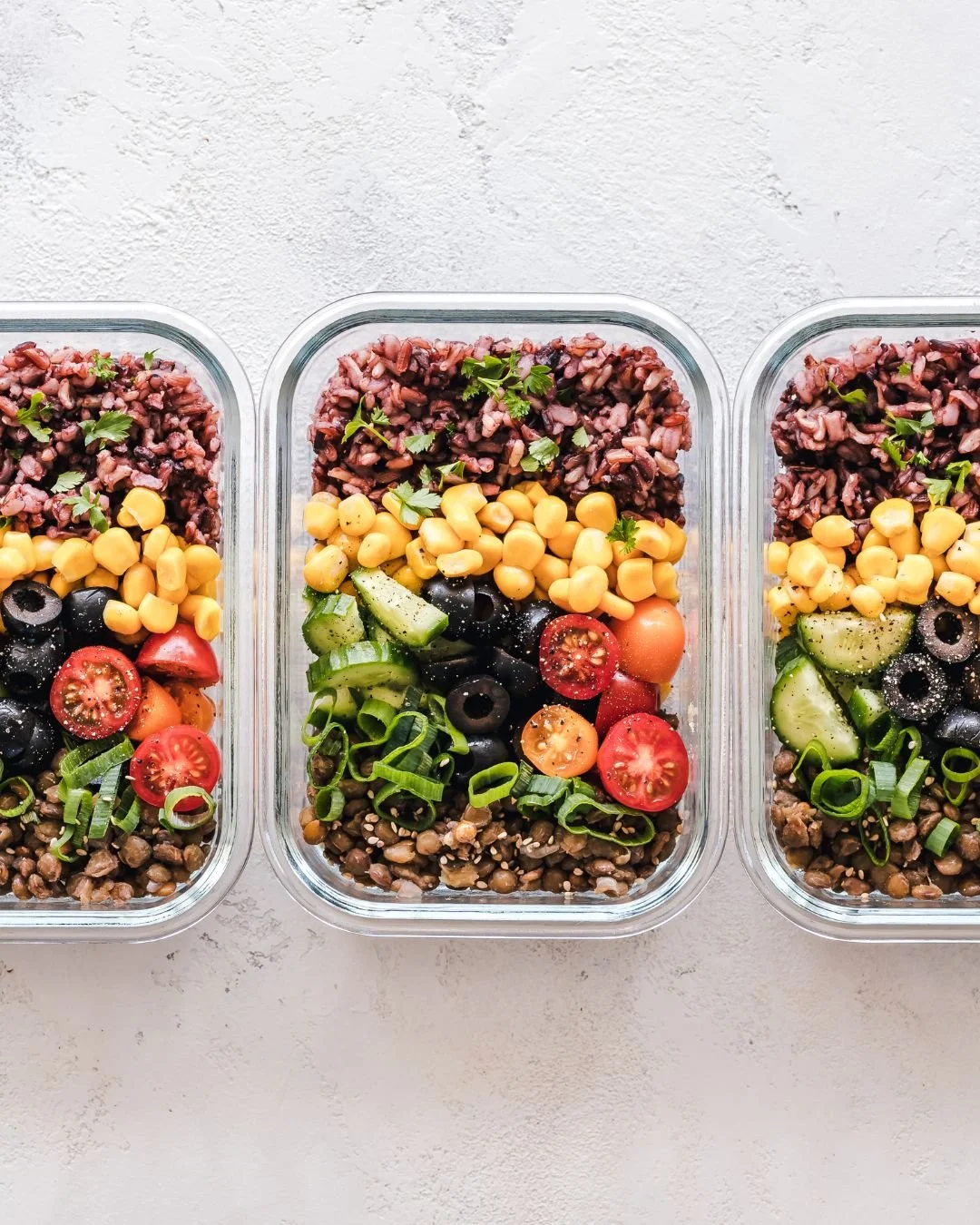
It's something I hadn't really thought much about in the past. Plastic containers are convenient, and many are marketed as being suitable for the microwave. But once I started looking more closely at how heat can affect plastics and the chemicals they contain, it became an area I was keen to change.
Why does heat matter?
Plastic isn't simply one material. Different plastics are made from different polymers and can contain a range of additives that give them particular properties, such as flexibility, durability, colour or resistance to heat. When plastic comes into contact with food, chemicals can potentially migrate from the plastic into the food. The amount that migrates can be influenced by a number of factors, including the type of plastic, the food itself, contact time and temperature. And that's where heating becomes relevant. In general, higher temperatures can increase the migration of chemicals from the plastic to the food itself. Heating also puts more stress on the material, particularly if the plastic isn't designed for that particular use.
What about microplastics?
Heat isn't only relevant because of chemical migration. Research has also investigated whether heating plastics can contribute to degradation and the release of plastic particles, including microplastics and nanoplastics, directly into food. The research in this area is still developing, and there are important questions around how much is released and what that exposure means for human health.
Finding microplastics or plastic-associated chemicals in food doesn't automatically tell us what the health consequences of that exposure will be. But for me, it raises a simple question: if I have an easy alternative available, why wouldn't I use it?
So what do I do instead?
If I'm reheating leftovers, I'll transfer them into a glass or ceramic dish before putting them in the microwave. And if I've bought something that comes in a plastic container and needs to be heated, I'll transfer it to a suitable non-plastic dish first.
I'm not trying to eliminate every possible source of exposure from my life. I'm simply looking for small, practical changes that are easy to maintain.
But isn't microwave-safe plastic safe?
This is where things can get a little confusing. A container being labelled "microwave safe" generally means that it has been designed and tested for use under specified microwave conditions. It doesn't necessarily mean that no substances can migrate from the plastic into food. Likewise, choosing a container labelled "BPA-free" doesn't mean that the product contains no chemicals of concern. BPA is just one particular chemical. Rather than spending time trying to work out which plastic containers are the "safest" to heat, I've taken a much simpler approach:
I just don't heat my food in plastic.
It's simply a precautionary choice that works for me.
What about storing food in plastic?
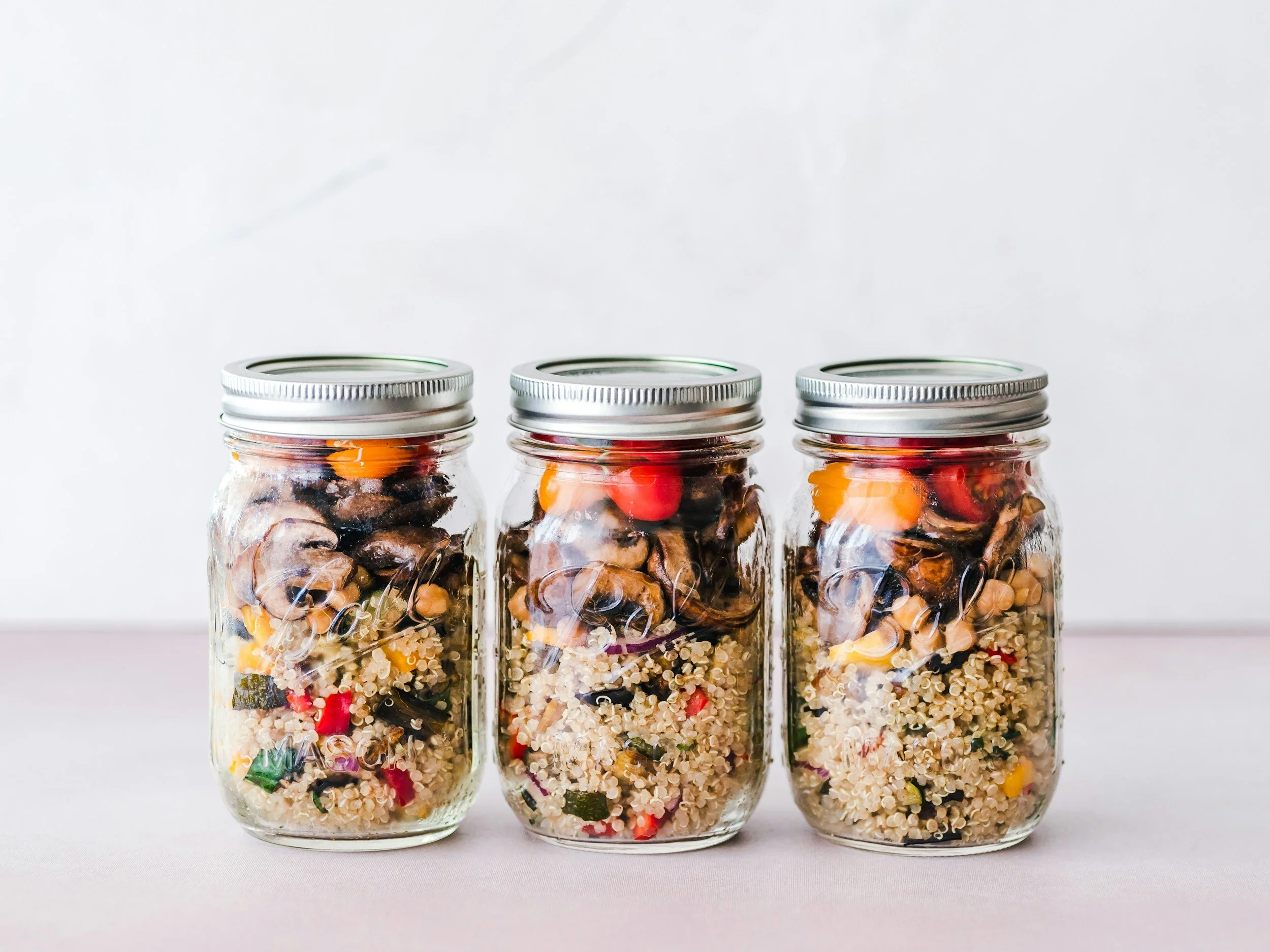
I'm a little less concerned about this. I still have plastic containers in my kitchen, and I still use them for some things. I'm not going to throw away perfectly good containers simply because they're plastic. But where I can, I prefer glass for storing food, particularly when the food is hot or will be stored for a longer period. If I do use plastic for food storage, I pay more attention to what I'm putting in it, how long it will be there and whether the container is showing signs of deterioration.
It's about prioritising rather than trying to achieve perfection.
A simple change worth making
Heating food in plastic is one of those areas where the alternative is relatively easy. Simply transfer food to a glass or ceramic dish before heating it.
My sustainable approach is to replace things gradually. Each time I see glass containers at a discount, I buy one. Then I go home and switch out a plastic container that has started to degrade for a glass alternative. It's a tiny habit, but one that removes one unnecessary point of contact between hot food and plastic.
For me, that's exactly what reducing exposure is about: not creating fear around every item in the kitchen, but making small, sensible changes where they're practical.
Want support to get started in your own home?
Every household is different. If you would like support to identify the higher-impact areas of exposure in your home and to create a practical action plan based on your priorities, here’s how I can help…. Explore options.