5 Simple Ways I’m Reducing Microplastic Exposure in My Kitchen
When I started looking at ways to reduce everyday exposure to microplastics and plastic-related chemicals, I decided to start with some relatively easy swaps and habit changes. I focused my efforts on a few areas where plastic comes into regular contact with food and drink, particularly where heat was involved and everyday use.
These are five changes I've made in my own kitchen:
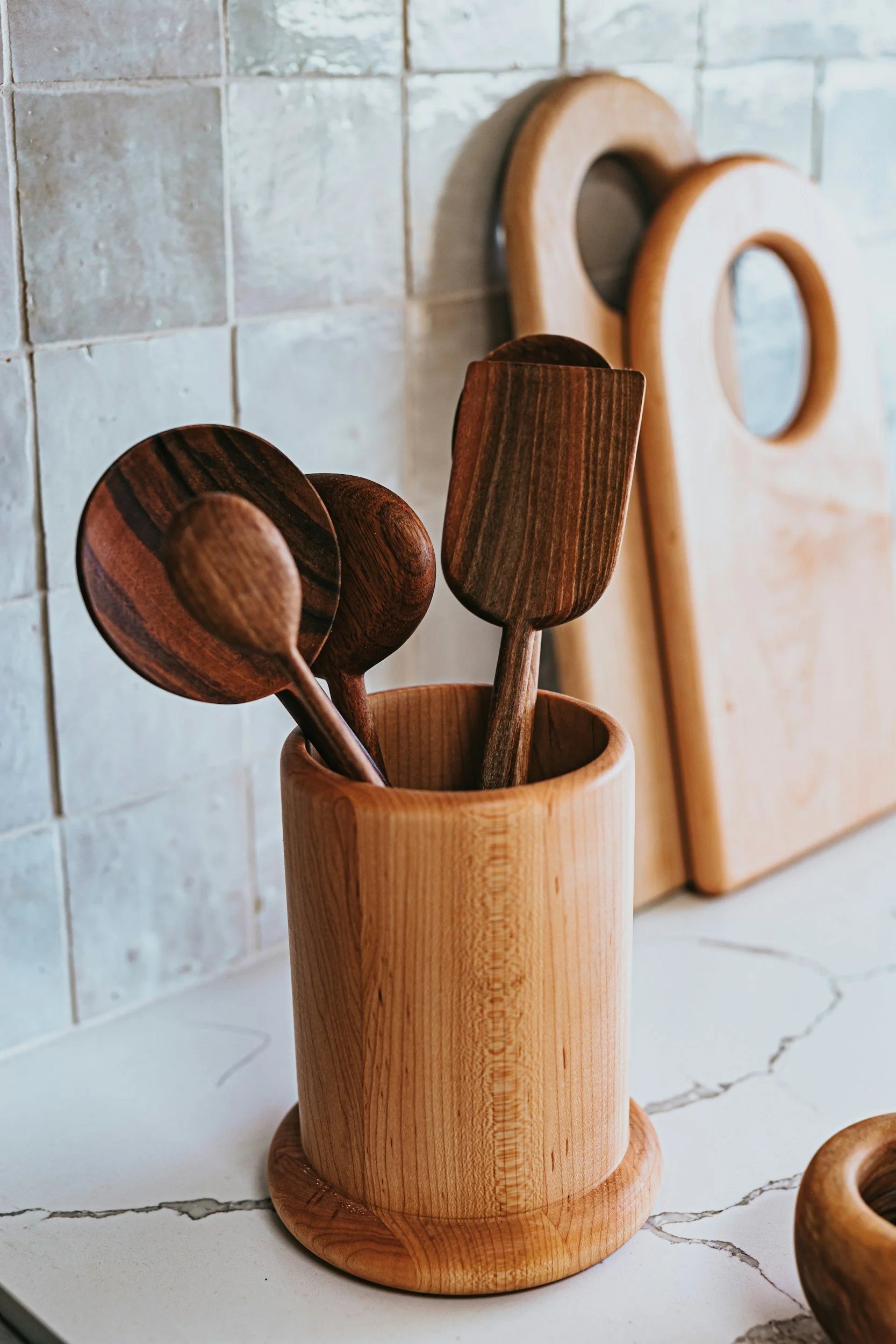
1. I’ve chosen non-plastic utensils
Wood, bamboo and stainless steel are my go-to choices for cooking and serving.
When plastic utensils are exposed to heat, particularly over time, they can shed particles and some plastic-associated chemicals can migrate from the material. Rather than replacing everything at once, I've gradually replaced the utensils I use most often.
2. I’ve made the switch to different pots and pans
I've moved away from relying heavily on plastic-coated or non-stick cookware and instead use materials such as stainless steel, cast iron and enamelled cookware.
Non-stick coatings can deteriorate with use, particularly when they are scratched or overheated, and some non-stick coatings are made using PFAS chemistry.
As my non-stick pots and pans have deteriorated, I’ve moved to these non-plastic options to reduce how much plastic-based material I have in direct contact with food, particularly at high temperatures.
I have also found these products to be far longer lasting than the non-stick options.
3. I no longer heat my food in plastic
This is probably one of the simplest changes I've made.
It's very easy to reheat food in plastic in the microwave or simply use the plastic container that a frozen ready meal comes in. However, heat can increase the migration of substances from some plastics into food.
Now when I'm reheating food, I prefer to use glass, ceramic or stainless steel rather than putting plastic containers in the microwave.
So rather than wondering whether a particular plastic container is suitable for heating, I've made it a habit to transfer food to a non-plastic dish first. It only takes a few extra seconds, but it's an easy habit once you're used to it.
4. I filter my drinking water
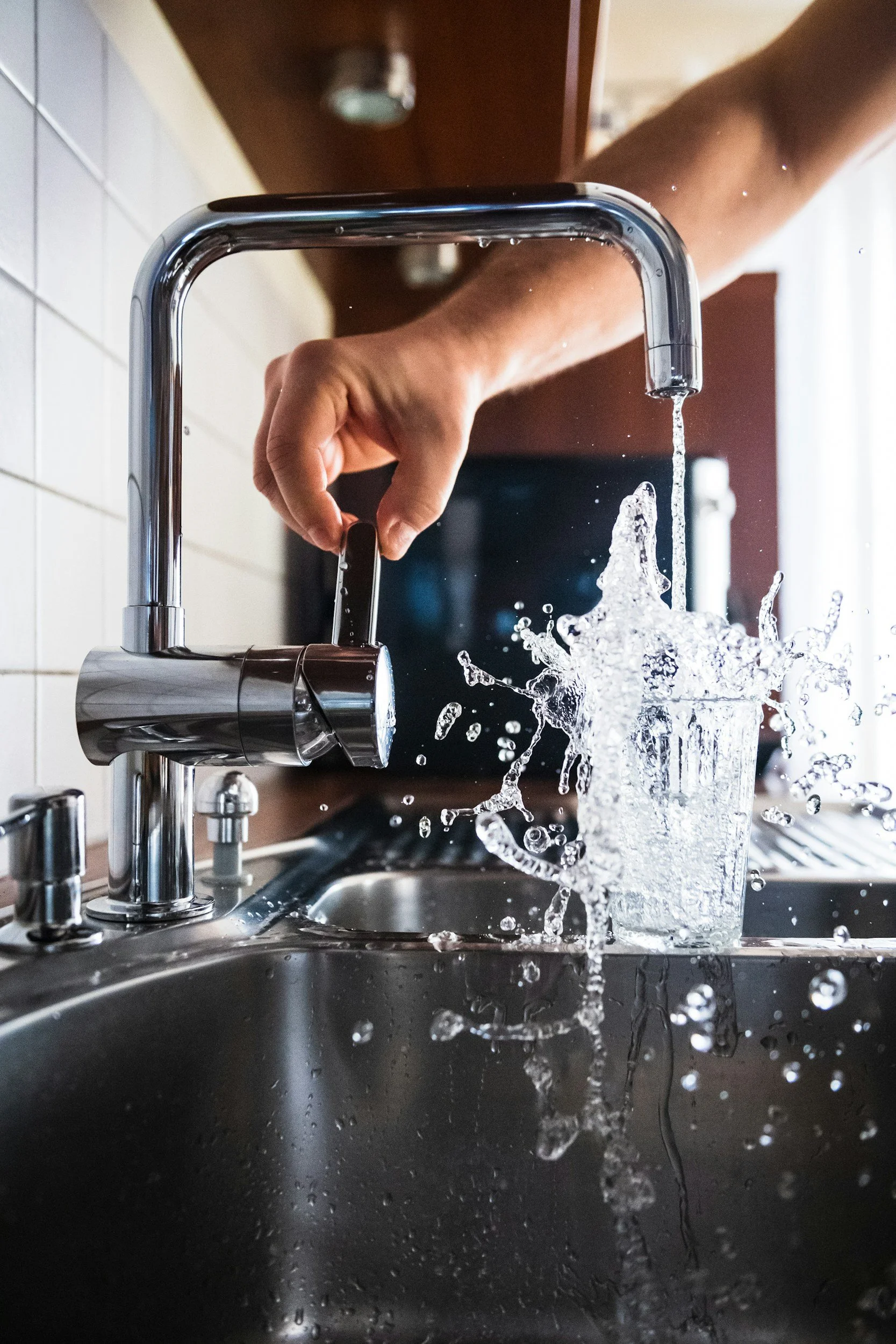
Water is another area I've chosen to address.
Once I understood that microplastics have been detected in many different water sources, including tap and bottled water, I made the decision to add a simple water filter attachment to my kitchen tap to filter the main water we use for drinking and cooking.
Do I think this is perfect and going to guarantee 100% clean water? Of course not.
But I certainly feel confident that this is another practical step I can take to reduce my exposure, especially as we drink water all day, every day.
If you're considering a filter, it's worth looking at the specific contaminants the filter is certified or tested to reduce, rather than simply choosing one because it says "microplastic filter" on the packaging.
5. I use non-plastic chopping boards
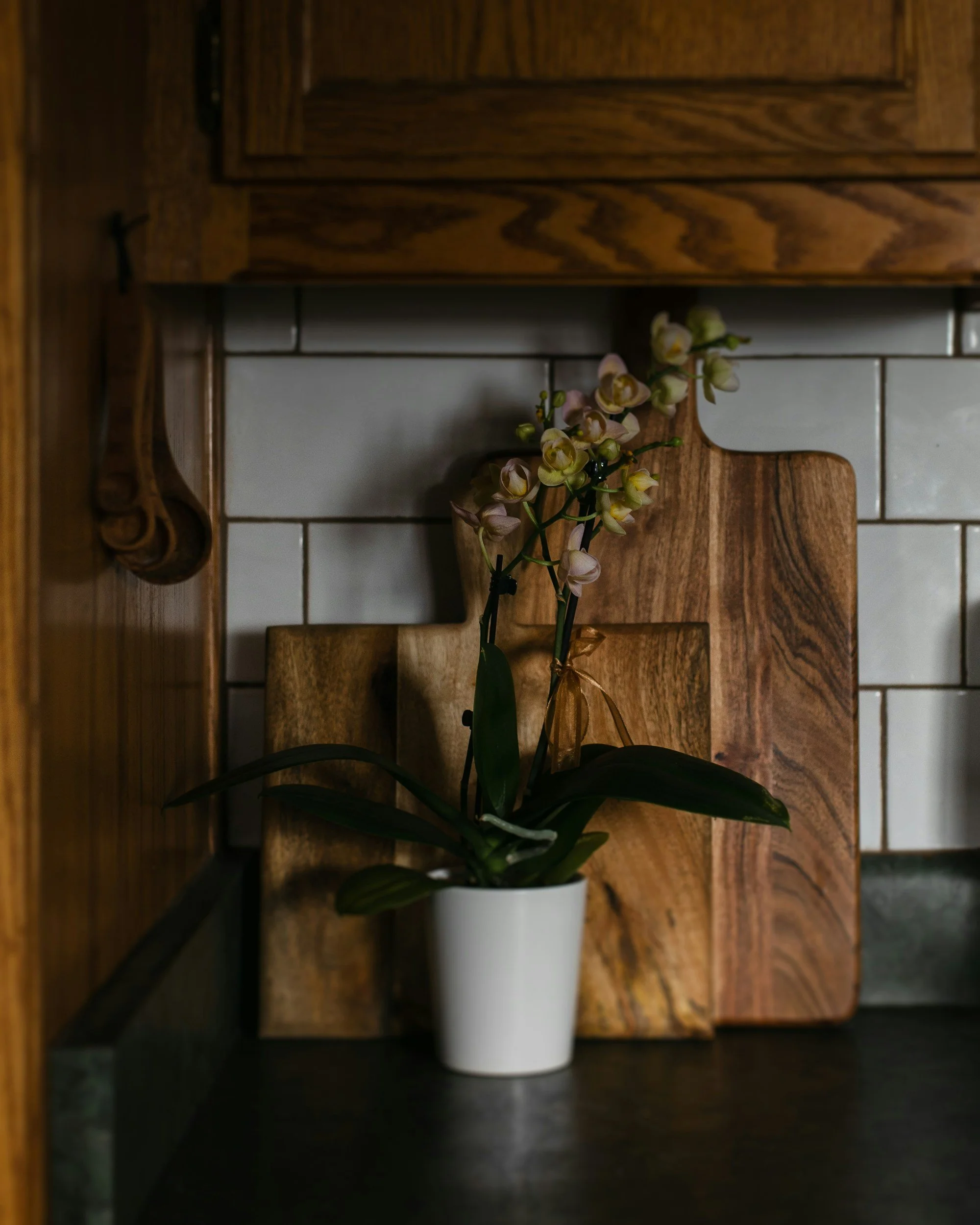
This was another relatively easy change, and it helps that I love the look of wooden chopping boards. I keep them on display in the kitchen.
Plastic chopping boards, especially lower-quality ones, can shed material over time as they are cut and scratched. Sometimes you can even see small fragments on the surface.
A wooden board does require some maintenance, but not a lot. You need to keep it clean, dry it properly and look after it. A food-safe oil can also help maintain the surface.
You don't need to change everything
My goal was never to have a perfect, plastic-free kitchen. I’m not sure this is even possible.
I haven't thrown out perfectly usable items that are still in great condition simply because they're plastic, and I'm certainly not suggesting that everyone needs to go out and buy five new replacements tomorrow.
Instead, I look at where plastic comes into contact with food or drink, how often that happens, and whether heat or physical wear is involved. Then I make changes gradually.
For me, that's a much more realistic way to reduce exposure, and one that doesn't create a whole new problem of unnecessary consumption and waste.
You don't need a perfect kitchen. You just need somewhere to start.
Want to take this further?
Your kitchen is just one part of the home. If you'd like to work through your own exposure and identify the areas that are most relevant to your household, my Creating a Healthier Home: A Self-Guided Online Course takes you through a practical, step-by-step approach.