5 Simple Ways to Reduce Microfibres in Your Laundry
Laundry is one of those areas of the home where I hadn't really thought about microplastics until I started looking into it. Every time we wash and dry clothing and other textiles, fibres are released from the fabric. With synthetic materials such as polyester, nylon and acrylic, these fibres are plastic. They can end up in the wastewater but also into our home environment. The are however some fairly simple things we can do to reduce the amount of microfibres our laundry releases.
These are five changes I focus on in my own home:
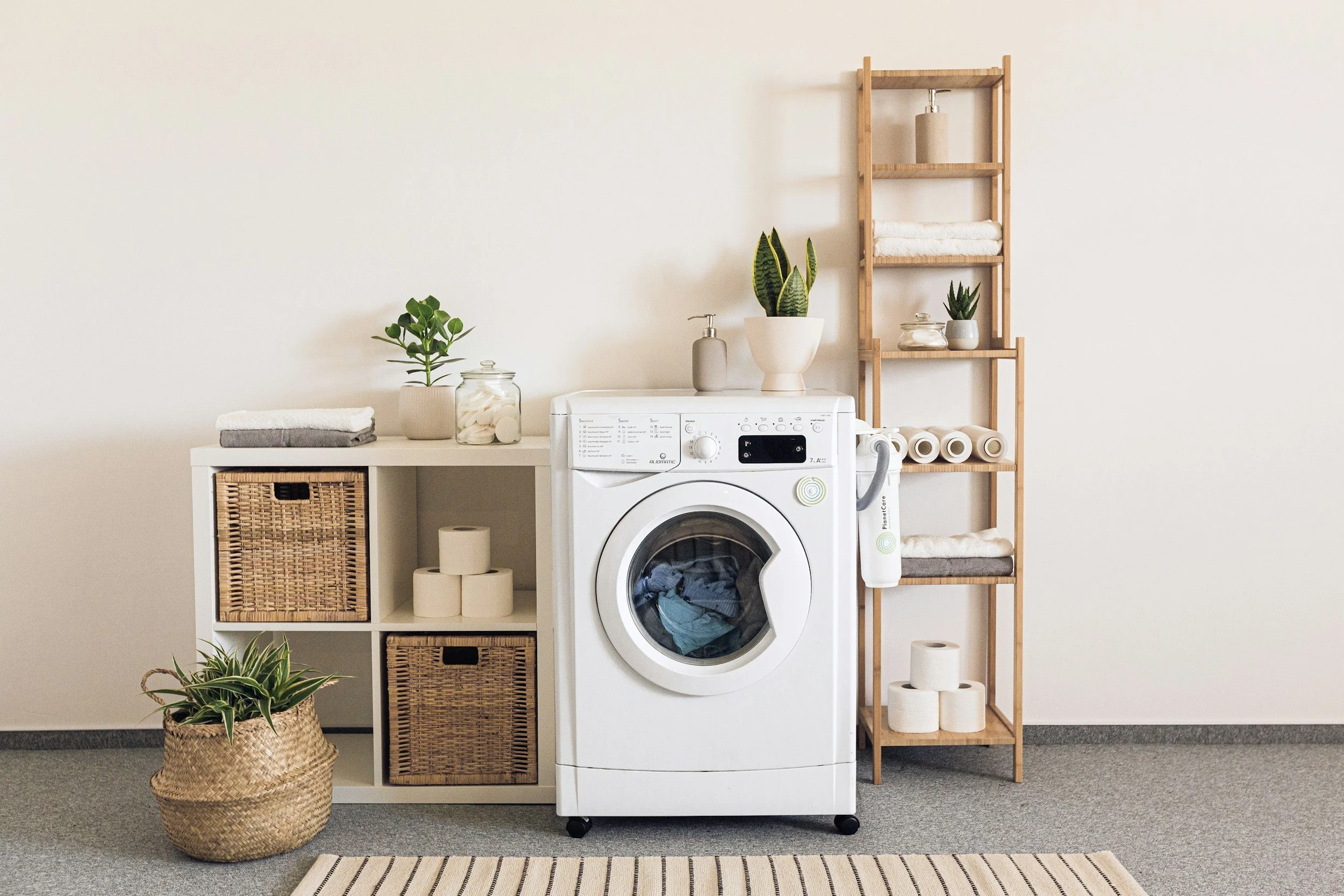
1. Wash clothes less often
This is probably the simplest place to start. Not everything needs to go through the washing machine after every wear. Unless something is dirty, sweaty or otherwise needs washing, I will often hang it up to air and wear it again. Every wash creates friction and agitation, which can contribute to fibre shedding. Washing less often also means less water, less energy and less wear on your clothes.
It's a small habit, but one that can make a difference over the lifetime of your clothes.
2. Choose a gentler wash
When I do need to wash something, I try to avoid unnecessarily harsh washing conditions. Hot water, long wash cycles and lots of agitation can increase the amount of fibre released from some textiles. Where appropriate, I prefer a cooler, shorter and gentler wash. Of course, this doesn't mean every load should be washed on the shortest or coolest setting. Some items genuinely need a more thorough wash.
It's about choosing the least intensive cycle that is appropriate for what you're washing.
3. Be mindful of synthetic fabrics
These days when I’m buying something new, I think more carefully about the fabric I'm choosing. Where it makes sense, I look for natural fibres such as cotton, linen, hemp or wool. Polyester, nylon, acrylic and fleece are all synthetic fibres, meaning they are made from plastic-based materials. These fabrics can shed microfibres during washing. I haven’t thrown out all of the synthetic items from my home but I am more mindful now about what new items come in. And, just as importantly, I try to make the clothes I already own last.
The sustainable option is to use what you already have and make the switch to natural fabrics when possible as items need replacing.
4. Wash with a full load (but not overloaded)
How you load your washing machine can also matter. It’s about finding the middle ground. Avoid overloading the machine. Fabrics need enough room to move for effective cleaning, but excessive movement can increase friction and fibre shedding. Washing a full (but not overloaded) load helps reduce wear.
Only washing when you have a full load also cuts down on water and energy use making it a more sustainable choice.
5. Air dry when you can

I love being able to hang washing outside, and it's another simple habit that reduces the amount of processing my fabrics go through. Tumble drying can contribute to fibre release from textiles, with fibres collected in the lint filter and potentially make their way back into the home environment. Air drying avoids this additional friction and is also much gentler on clothes.
It isn't always practical, especially during the winter months, but whenever I can, I choose the clothesline.
What about microfibre filters and laundry bags?
There are now products designed to capture fibres released during washing, including washing machine filters and laundry bags. These can be worth considering if you regularly wash synthetic textiles. But I see them as an additional measure rather than the starting point. I'd first look at the simple things that don't require buying anything:
Wash less. Wash gently. Choose natural fibres where practical. Air dry when you can.
Then, if you want to go further, you can look at whether a fibre-catching device is suitable for your washing machine and the way you do your laundry.
As with everything I talk about at Living the Sage Life, I don't think this needs to become another list of things to worry about. Start with the habits that are easy for you.
Wash clothes when they actually need washing. Choose a gentler cycle when appropriate. Look for natural fibres when you're buying something new. And hang your washing out when you can.
Small changes, repeated over time, are much more realistic than trying to create a completely microplastic-free home overnight.
Want to take this further?
Your laundry is just one part of the home. If you'd like to work through your own exposure and identify the areas that are most relevant to your household, my Creating a Healthier Home: A Self-Guided Online Course takes you through a practical, step-by-step approach.