Your Bedroom Reset: Creating a Healthier Space
Simple ways to reduce microplastic exposure while creating a bedroom that feels more like a sanctuary.
I want my bedroom to be a comfortable space where I wind down, sleep, recharge and start the next day. I want it to feel clean, calm and inviting. In wanting my bedroom to be a sanctuary, I can also reduce my exposure to microplastics at the same time.
We tend to think about microplastics in terms of food packaging, water bottles and plastic products in the kitchen. But microplastics and plastic-related chemicals are present throughout the whole home, particularly as tiny fibres and particles that can become part of household dust. Synthetic textiles, carpets, furnishings and other plastic-containing items can all contribute to the mix.
Our bedrooms are a space we spend a lot of time in, making them a valuable place to start to reduce exposure. I don’t believe it’s necessary to do a full bedroom makeover, replacing products, fabrics, furniture and carpets. Simple, sustainable changes to products and habits over time can be enough to reduce our overall exposure and begin creating the sanctuary we want and the healthier home we need.
Here are three simple things to consider and get started:
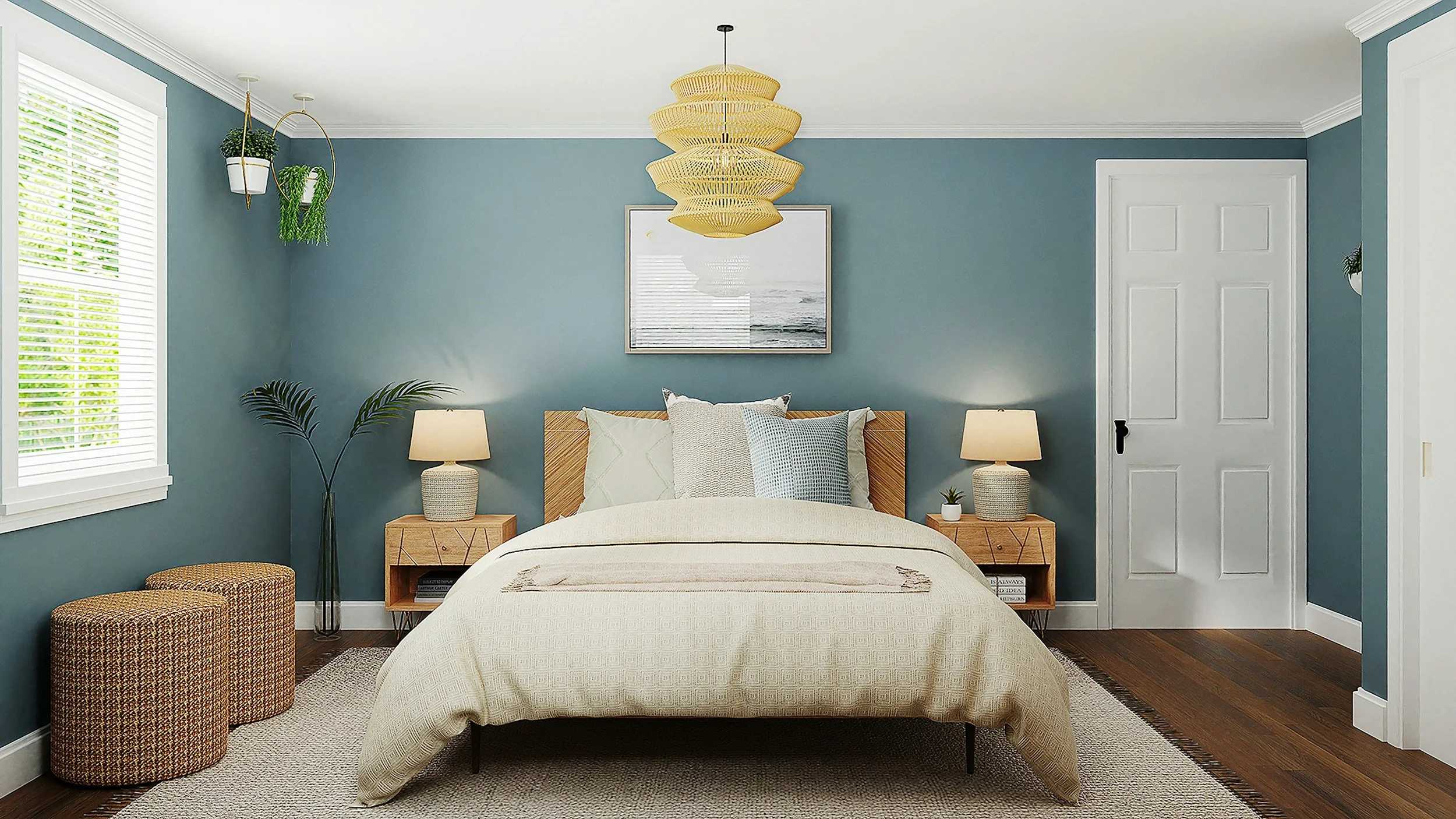
1. Look at the fabrics around you
Take a quick look around your bedroom. Look for fabrics and what they are made from. Do you have synthetic bedding, blankets, cushions, rugs or curtains? Maybe a lot of synthetic clothing in the room? Materials such as polyester, nylon and acrylic can shed tiny fibres through everyday use. Synthetic textiles are considered an important source of indoor airborne fibres, so reducing them where practical is one way to reduce a potential source.
Rather than replacing everything immediately, as items wear out, could you gradually choose natural fibres such as cotton, linen or wool where they're practical and suitable for your needs?
2. Keep the floor easy to clean
This one has less to do with what your floor is made from and more to do with what you keep on it. Bedrooms collect dust. Clothing fibres, hair, skin cells and other particles settle on the floor, underneath furniture and in corners. A floor covered with unnecessary furniture, baskets, shoes, piles of clothes and other belongings is simply harder to clean properly and manage the ongoing onslaught of dust.
Keeping as much floor space clear as possible makes it easier to vacuum regularly and get into those forgotten corners. Sometimes decluttering isn't about having less for the sake of it or to become a minimalist. It's about making your home easier to care for and dust easier to manage.
3. Give your surfaces some breathing room
Bedside tables, dressers and shelves can become easy landing places for all sorts of things. The more we have sitting around, the harder it is to dust. This is particularly worth thinking about with plastic storage containers, synthetic decor and other plastic items that aren't really serving a purpose.
Rather than trying to remove every plastic item from your bedroom, consider what unnecessary stuff is around the room potentially contributing to household dust and creating barriers to a good clean.
A clear bedside table is much easier to wipe.
A simplified dresser is much easier to dust.
And a bedroom with less visual clutter can simply feel more restful.
Create your bedroom sanctuary
Rather than trying to create a perfectly plastic-free bedroom, think about what you want for your space. I wanted a calm, comfortable and inviting sanctuary that was easy to maintain. I set out to make changes over time and reduced my exposure to microplastics in the process.
What do you want and what changes could you slowly make?
Could you choose natural fabrics when you're replacing things? Could you keep your floor space clear and easier to clean? Could you give your surfaces room to breathe? And when conditions allow, open the windows and let fresh air into the room as another simple way to support good indoor air quality.
Your bedroom doesn't need to become another project in your life. It can simply be one small corner of your home where you start making thoughtful changes over time.
Progress over perfection
Want support to get started in your own home?
Every household is different. If you'd like support to identify the areas of exposure that are most relevant to your home and create a practical action plan based on your priorities, explore how I can help.