The Cling Wrap Challenge: Can You Go a Month Without It?

Cling wrap and ziplock bags are two of those kitchen products that are incredibly convenient. They're also incredibly easy to use without really thinking about whether we need them. When I started looking at ways to reduce everyday exposure to microplastics and plastic-associated chemicals, I decided to try something very simple in my own kitchen. I hid the cling wrap and ziplock bags. Not forever. Just for one month.
Here’s your challenge:
Step 1: Hide your cling wrap and ziplock bags
The first step is very simple. Put them somewhere you can't easily reach them. Don't throw them away. Don't make a big commitment to never use plastic again. Just hide them. The idea is to remove the easy option and see what happens. This is where we often discover that we use certain products simply because they're there.
Step 2: Find an alternative
For the next month, whenever you would normally reach for cling wrap or a ziplock bag, stop and think: What else could I use?
There are actually quite a few options. Depending on the purpose, you could try:
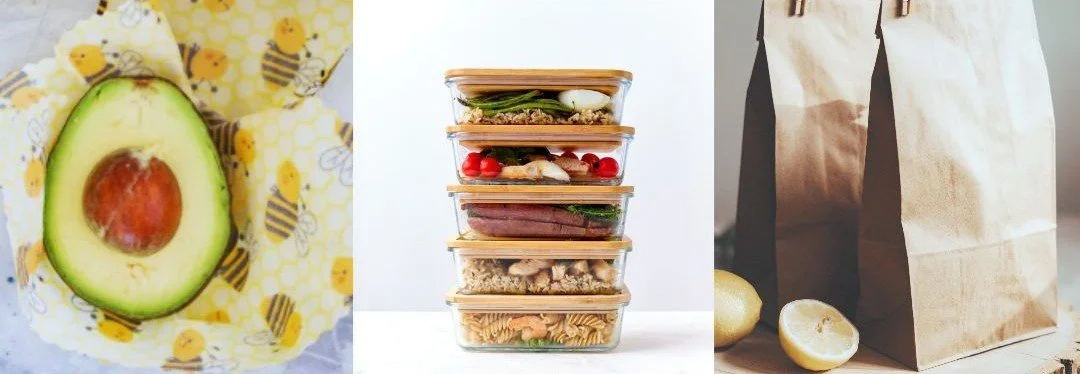
Glass containers for leftovers and prepared food
Beeswax wraps for covering bowls or wrapping some foods
Paper bags for taking certain foods to work or school
Aluminium foil where appropriate
A damp cotton tea towel for keeping some foods fresh or for wrapping dough
A plate or lid over a bowl
Reusable containers you already have
You don't need to go out and buy a whole collection of new products. I'd encourage you to use what you already have first. The challenge isn't about creating a perfect plastic-free kitchen. It's about finding out what you actually need.
What does this have to do with microplastics?
Cling wrap and ziplock bags are made from plastic, so removing them from some of our everyday food storage habits can reduce the amount of plastic coming into contact with our food. Plastic food packaging and storage can also contain additives and other chemicals that may migrate into food, with factors such as the type of plastic, food, temperature and contact time influencing migration. And, as plastics are used, handled and discarded, they can also contribute to the wider problem of plastic particles entering our environment.
The research into exactly what everyday exposure to microplastics means for our long-term health is still developing. That's why my approach isn't about being frightened of plastic or trying to eliminate every piece of it from the home.
It's about looking at the areas where I can make a simple change. And cling wrap is a particularly easy one to experiment with.
What happened after my month?
The interesting part of this challenge is what happens at the end. After a month, ask yourself:
Did I actually miss it?
How often did I really need it?
Did I find alternatives that worked just as well?
And perhaps most importantly: Do I need to buy it again?
You might discover that you still genuinely need cling wrap occasionally. That's fine. Or you might find that you've gone an entire month without it and realised you don't really need it at all. That's what happened for me.
I'm not suggesting you throw away the roll of cling wrap or packet of ziplock bags that you currently own. If you have them, use them. Or, hide them for a month and see what happens. You may discover that some of the plastic products you regularly reach for are more habit than necessity. And if, at the end of the month, you realise you don't actually need them?
Don’t buy them.
One less plastic product in your kitchen. One saving in your budget. One small change towards a healthier home. Sometimes the easiest way to change a habit is simply to take the easy option away.
Want to take this further?
Cling wrap is just one exposure source in your kitchen. If you'd like to work through your own household microplastic exposure and identify the areas that are most relevant to you, my Creating a Healthier Home: A Self-Guided Online Course takes you through a practical, step-by-step approach.