Creating a Healthier Home With No Budget
Simple ways to reduce your exposure to microplastics without spending a cent.
It’s easy to feel overwhelmed when you start hearing about microplastics and human exposure. It feels like another thing to worry about and then the more you learn, the more you feel like it’s just another wellness trend. For some people, the mental overwhelm is compounded by the financial concerns of ‘how am I going to pay for all of these new products?’
The good news… you don’t need to spend a cent to start to reduce your exposure.
Product swaps vs habit changes
There are many different ways to reduce your exposure to microplastics and plastic-related chemicals. Some cost money (product swaps) and some are more focused on our daily habits and simply bringing intention when making decisions.
We often hear about buying wooden chopping boards, glass containers, stainless steel frypans and non-plastic kettles. These are great ideas… when you can afford them. I often suggest these types of swaps to clients myself, but also suggest making these investments slowly over time as needed, not all at once.
There are other ways to reduce your exposure.
Rather than spending money on choosing different products, consider these ideas to create your healthier home. Here are some I’ve tried myself:
→ Don’t heat food in plastic
One of the simplest changes you can make is to avoid heating food in plastic containers or packaging. If you’re reheating something, transfer it to a plate, bowl or other suitable non-plastic container you already have.
→ Look for alternatives to gladwrap and ziplock bags
Before reaching for gladwrap or a ziplock bag, think about whether you already have another way to store the food. A plate over a bowl, a reusable container, a glass jar, paper bag or even some beeswax wraps. You might also find that using what you already have means buying fewer disposable plastic products, which can save money too.
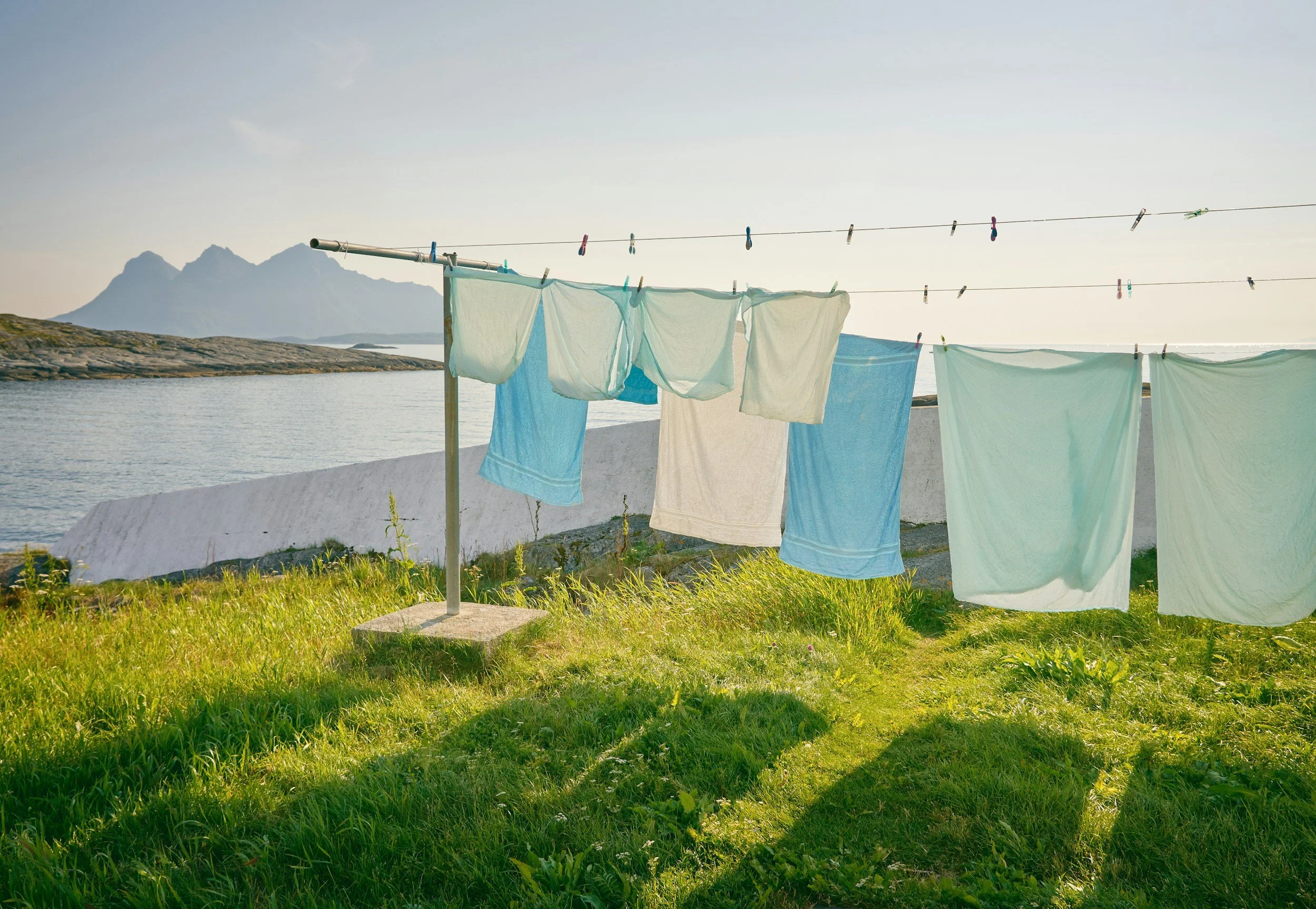
→ Air-dry your clothes and bedding
If you have access to a clothesline or drying rack, try air-drying your clothes and bedding rather than automatically reaching for the tumble dryer. Synthetic fabrics can shed tiny fibres during washing and drying which can become part of household dust. Reducing unnecessary heat and mechanical drying may be one simple way to reduce wear on these materials and your exposure. And, of course, using less electricity can be good for your household budget too.
→ Open doors and windows when possible
Ventilation doesn't cost anything. Opening windows or doors when practical can help bring fresh air into your home, particularly when cleaning or using products that may release unwanted substances into the indoor air.
→ Declutter
This one costs nothing and can make a surprising difference. The less stuff you have, the less there is to clean, move around and maintain. Decluttering can also make it easier to keep dust under control because there are fewer objects and surfaces for dust to settle on. You don't need to become a minimalist. Start with one drawer, cupboard or surface and see how it feels.
→ Bring intention to your purchases
Perhaps the biggest no-cost change is simply buying less. Before bringing something new into your home, pause and ask yourself whether you actually need it. If you do, consider whether there is a lower-plastic option that works for you, or whether something you already own could do the job. The best way to save money on a product is often not to buy it at all.
You don't need to replace everything
When I first started learning about microplastics, it was easy to look around my home and see everything I wanted to change. It just wasn’t realistic for me at the time and I’m sure it’s not realistic for most people. I was also very conscious of the waste that would create, which doesn't sit comfortably with the sustainable approach I want to take.
A healthier home certainly isn't about having all the right products. It's about using what you already have differently, changing a habit, opening a window, putting food on a plate instead of heating it in plastic, or simply deciding not to buy something new.
You can make meaningful changes without spending a cent and start your journey of reducing your exposure to microplastics. And when you do have the opportunity to replace something, you can make that decision slowly, thoughtfully and within your budget.
Want support to get started in your own home?
Every household is different. If you'd like support to identify the areas of exposure that are most relevant to your home and create a practical action plan based on your priorities, explore how I can help.